Protecting Your Facility from Windstorm Damage: A Comprehensive Emergency Checklist
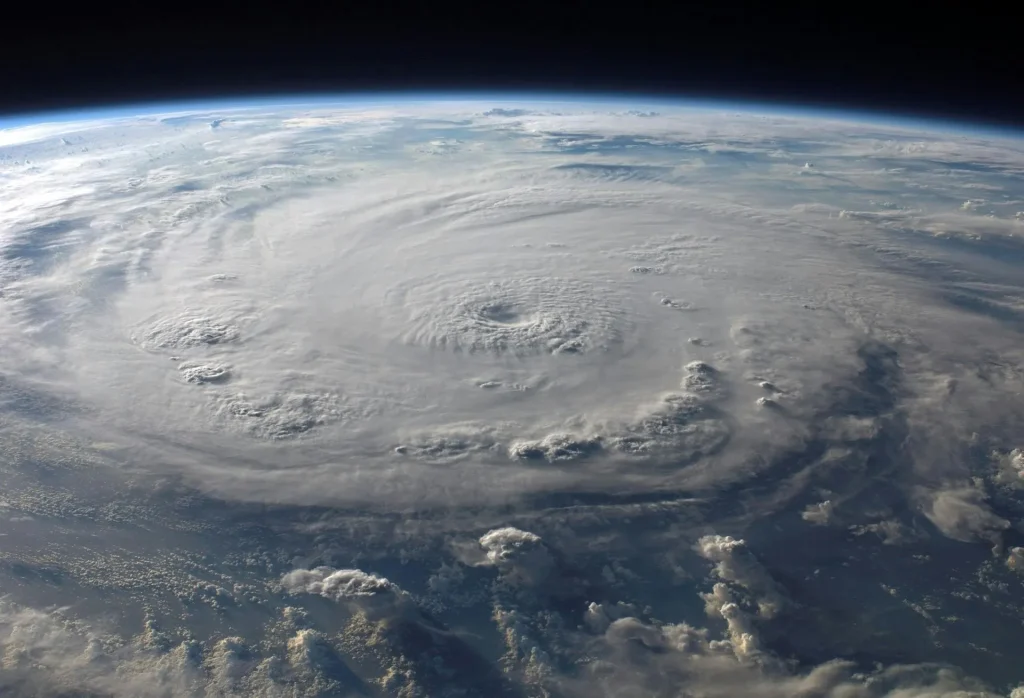
When it comes to natural disasters, windstorms can clearly cause significant damage to facilities. Consequently, they often lead to substantial financial losses. Studies show wind caused 11% of FM Global clients’ damage over 25 years, with tropical storms causing 70% of that. With proper planning and preparation, you can prevent or minimize windstorm damage. This blog provides a comprehensive emergency checklist to help you protect your facility from the devastating effects of windstorms.
Pre-Windstorm Planning:
- Develop a windstorm emergency response plan: Outline clear objectives and step-by-step procedures for responding to windstorm. Train your staff on the plan to ensure everyone knows how to act.
- Staff and train an emergency response team (ERT): Form a team to stay on-site during a windstorm when safe. Train team members in emergency response procedures and equip them with the skills to handle potential challenges.
- Designate a weather monitor: Assign someone to track weather and update the ERT leader throughout the windstorm.
- Empower the ERT leader: Give the ERT leader authority to execute the plan using predetermined checkpoints. Allow them to shut down operations and send personnel home when necessary. Establish clear communication channels and decision-making protocols.
- Task checklists for operational managers: Provide managers with clear checklists for each storm warning stage. This ensures everyone understands their responsibilities and can act efficiently.
During the Windstorm:
- Activate the emergency response plan: Follow the windstorm emergency response plan immediately when the first warning stage is issued. Notify all personnel about the storm and the plan so everyone stays informed.
- Monitor weather conditions: Continuously track weather and give real-time updates to the ERT leader to guide decisions.
- Secure loose objects and equipment: Secure all items that could blow away or cause damage during the windstorm. This includes securing outdoor furniture, signage, and any other items that could become projectiles.
- Shutdown non-essential operations: Begin shutting down non-essential operations and equipment as the storm progresses. This will help minimize the risk of damage and ensure the safety of personnel.
- Evacuate personnel if necessary: If the storm intensifies and poses a significant threat, evacuate non-essential personnel from the facility. Their safety should be the top priority.
After the Windstorm:
- Assess damage and ensure safety: After the windstorm, check damage and confirm all personnel are safe. Allow personnel to enter the facility only when it is safe.
- Document and report damage: Document any damage to the facility and its contents. Take photographs and make detailed notes to assist with insurance claims and recovery efforts. Report the damage to the appropriate authorities and your insurance provider.
- Begin recovery and restoration: Develop a plan for recovery and restoration, prioritizing critical areas and equipment. Engage professional services, such as contractors and restoration specialists, to expedite the process and ensure proper repairs.
Conclusion
By following this emergency checklist, you can reduce windstorm damage to your facility. Prepare by developing a response plan, training staff, and empowering your ERT leader. Proactive measures help protect your facility, minimize losses, and keep employees safe. Take action to stay safe and prepare for storms!
Note: Contact us to request a copy of our Hurricane Preparedness Checklist and Claim Reporting procedures.