Senior Living Workers Compensation Insurance
Senior living workers compensation insurance pays medical care and lost wages for employees hurt on the job, and protects the operator through employers liability when an injury leads to a lawsuit.

A senior living workers comp program
Statutory workers compensation
Medical treatment, wage replacement and rehabilitation required by each state where staff work.
Employers liability
Defense and payment when an injured employee, a spouse or a third party sues beyond the statutory benefit.
Other states coverage
For staff who work, train or travel across state lines.
Agency and contract staff
Check the staffing contract and its certificates, not just assume the agency policy responds.
Staff driving
Errands and resident visits create auto exposure comp does not answer.
Hired and non owned autoExcess over employers liability
Set employers liability limits with the umbrella and excess tower in mind.
Excess liability market
Three numbers set most of the premium
Payroll by job classification, the rate for each class in each state, and the experience modification factor, which compares your own losses with what is expected for an operation of your size.
- Resident handling injuries are the ones that recur
- New hires get hurt more often than tenured staff
- Late reporting turns medical only claims into lost time claims
Where the mod actually moves
Echo’s analysis of turnover and injury is in The Injury Tax Nobody Budgets.
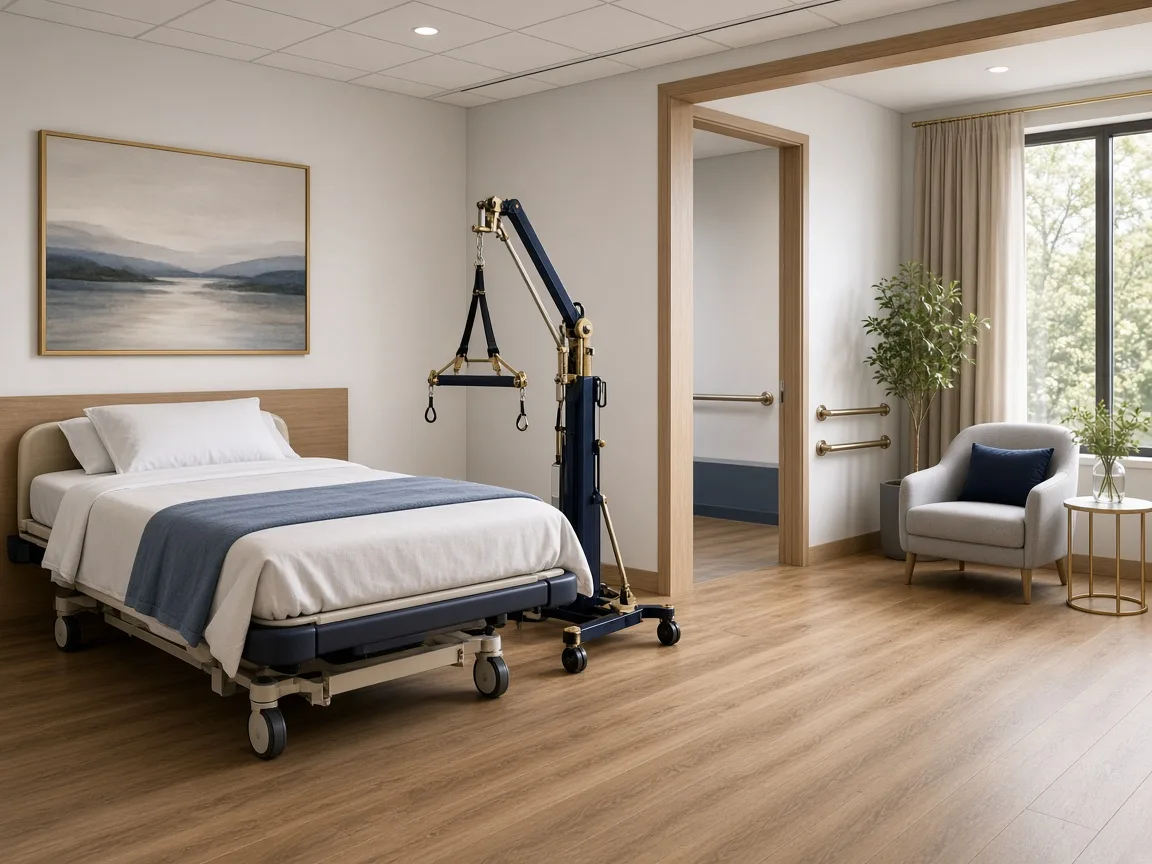
- Safe patient handling equipment and training
- Transitional duty so injured staff come back sooner
- Payroll in the right class, so the audit has no surprises
A complete workers comp file
A complete file lets the underwriter price your record instead of the class.
A complete file lets the underwriter price your record instead of the class.
- Item 1 of 5
Payroll by state and job class
With headcount and any agency or contract labor.
- Item 2 of 5
Loss runs
For several years, with open reserves explained.
- Item 3 of 5
Safe patient handling
The written program, the lift equipment in use and training frequency.
- Item 4 of 5
Return to work
Transitional duty practices and how quickly injuries are reported.
- Item 5 of 5
Turnover and onboarding
How new hires are trained before they handle residents. See what underwriters look for.
“When I first met Scott, our risk department was in crisis and our costs were spiraling out of control. Over the decades, he has guided us with a proactive “well care” approach, consistently anticipating our needs before they even arise. Scott is a true professional, and I couldn’t recommend him more highly.”
Workers compensation built around caregivers and lifting
This page is for operators whose largest workforce cost after wages is often injury: resident handling, slips, strains and the turnover that follows. It is where claims management and safety culture show up most directly in price.
What underwriters ask
- What is your experience modification factor, and has it been audited for errors?
- How are resident transfers handled, and is lift equipment used consistently?
- How quickly are injuries reported, and is there a return to work program?
- How are temporary and agency staff covered?
Gaps we often find
- Experience modification errors, such as claims that were closed or misclassified, raising premium for years.
- Payroll classified in higher rated codes than the work requires.
- No clear process for agency staff, leaving gaps or double charges at audit.
- Reserves left open on old claims, inflating the record underwriters see.
What to bring to the consultation
- Your current policy, the last two premium audits and your experience modification worksheet.
- Loss runs for at least five years.
- Your safe handling and return to work programs.
Frequently asked questions
What is senior living workers compensation insurance?
It is the workers compensation and employers liability program for a senior living operator. It pays medical care and lost wages for staff injured on the job and defends the operator when an injury leads to a lawsuit.
Why is workers comp expensive for senior living communities?
Caregiving is physical work. Resident lifts, transfers and repositioning produce frequent strains and back injuries, and those claims raise the experience modification, which multiplies the premium for several years.
What is an experience modification factor?
It is a rating that compares an employer's own workers comp losses with the losses expected for a business of its size and class. A factor below 1.0 lowers the premium and a factor above 1.0 raises it.
Are agency nurses and aides covered by our workers comp policy?
It depends on the staffing contract and the agency's own coverage. Operators should collect the agency's certificate, read the contract's insurance terms and confirm with their broker how agency staff are treated before an injury happens.
How can a senior living operator lower workers comp costs?
Report injuries quickly, offer transitional duty, invest in safe patient handling equipment and training, keep payroll classified correctly, and review the experience mod for errors. These steps lower claim costs first and the premium follows.
Does workers comp cover staff who drive for work?
Workers comp covers an employee's own injury while working, including on the road. It does not cover damage or injury to others in a crash. That exposure needs auto or hired and non owned auto coverage.
Stop your comp cost climbing while census holds steady
One operator turned a 38% renewal increase into 9%. That is the result in The Renewal That Started at +38%, not a promise about any other account.
Or write to scott.reese@echoassurance.com