The Situation
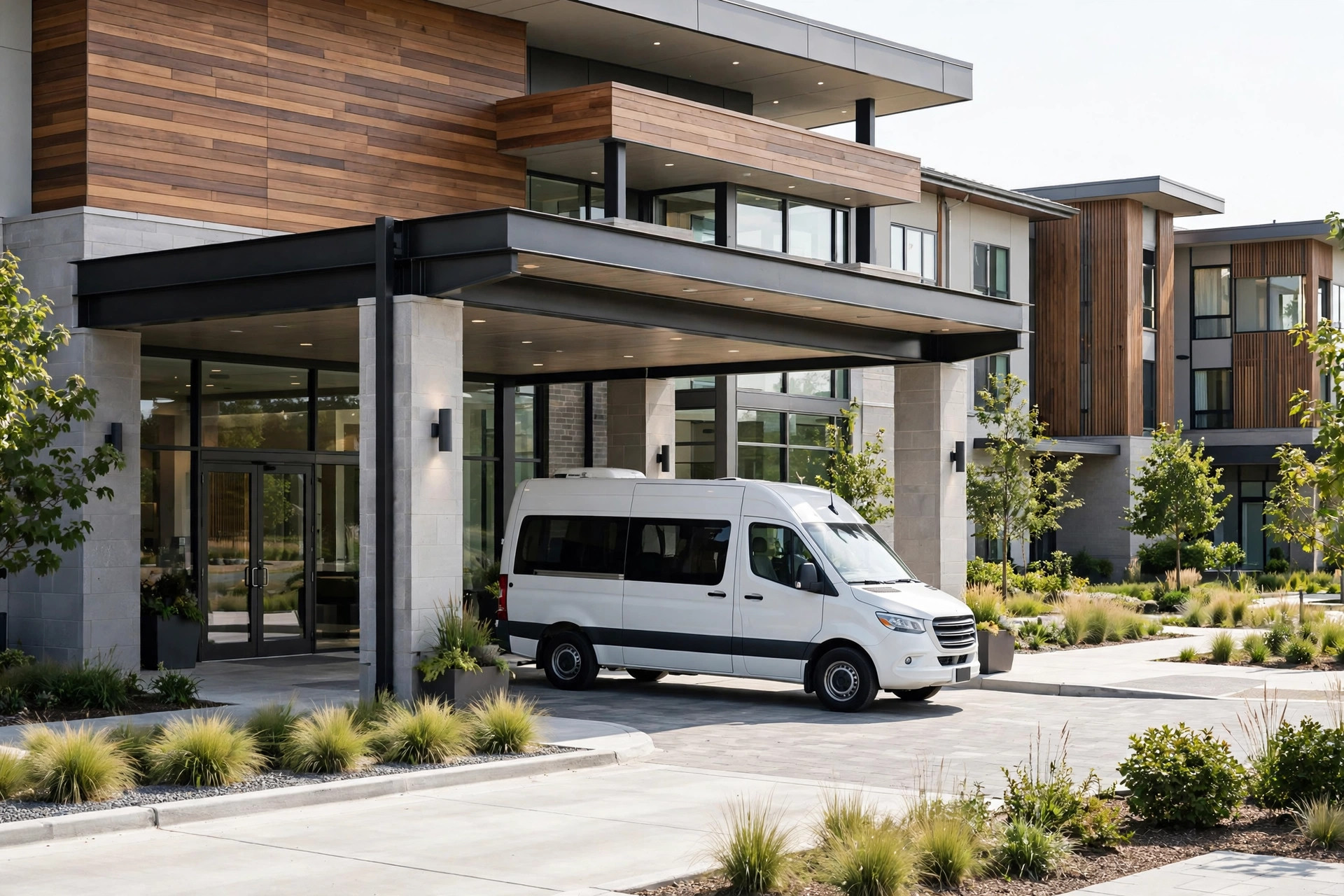
A 180-unit independent living and assisted living campus. The campus ran scheduled resident transportation using two owned vans. It also had an informal practice of staff driving residents to appointments in their own cars when the vans were booked.
The Problem
During our pre-renewal coverage review, we found that the commercial auto policy covered only the two scheduled vans. The policy had no hired and non-owned auto coverage. If a staff member crashed their own car with a resident inside, the employee’s personal policy would respond first, often with limits as low as $50,000. Any amount above that would land on the community uninsured. The incumbent broker had never asked how residents got to the dentist when the vans were out.
What We Did
We documented how often staff drove residents in their own cars, using activity and appointment logs. That came to about 40 trips a month. We showed ownership what one serious injury claim could cost against the coverage they actually had. We placed hired and non-owned auto coverage at $1 million, matched the umbrella to sit over it, and wrote a short staff-driver policy that included license and MVR checks.
The Outcome
Added premium: $3,850 per year. Seven months later, a staff member was rear-ended at an intersection while driving a resident to dialysis. The resident’s injury claim settled for $212,000. The employee’s personal auto carrier paid $50,000, and the community’s new coverage paid the remaining $162,000. Without the endorsement, that amount would have come off the operator’s balance sheet.
Why It Matters
The most expensive gap is the one in a coverage you didn’t know you needed.
You find it by asking how the building actually runs.
Connect With Us
Your mission is to provide exceptional care. Ours is to protect it!