Senior Living Property Insurance
Senior living property insurance pays to repair or rebuild buildings, contents and equipment after a covered loss, and replaces the income lost while the community recovers.
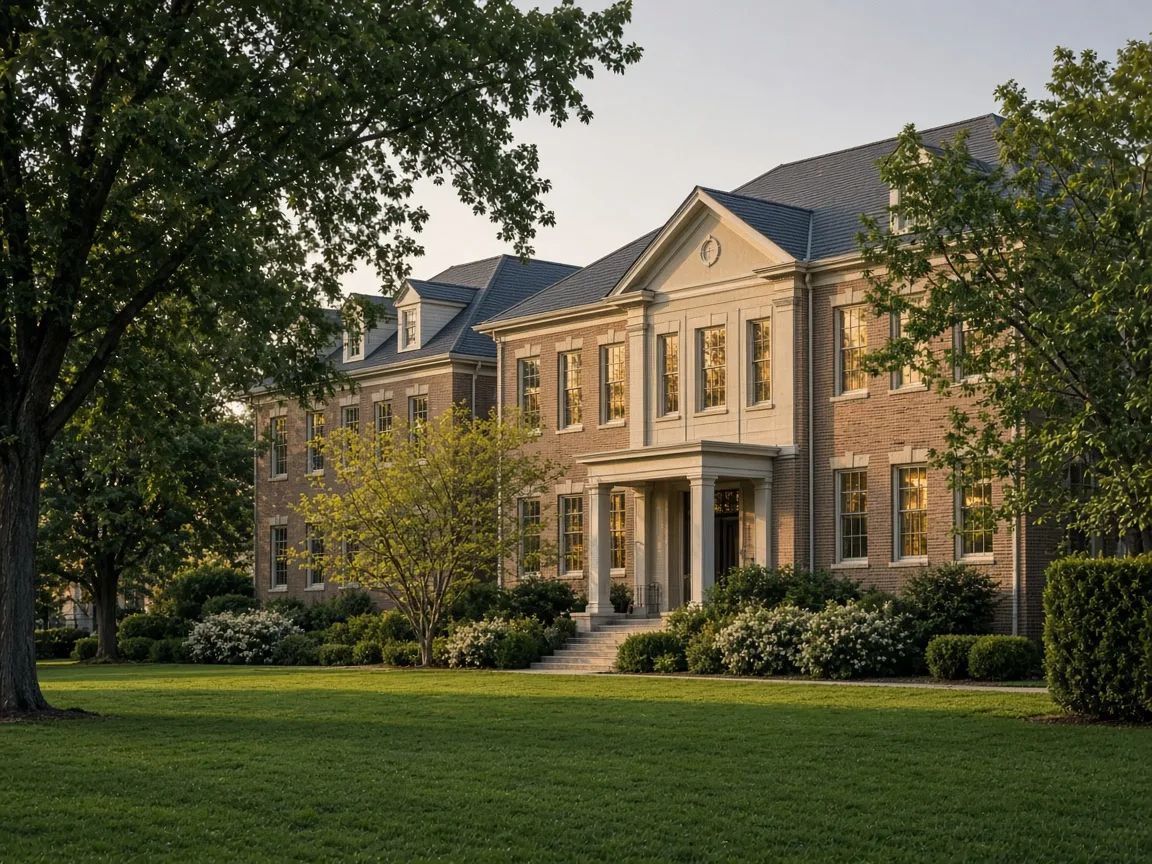
A senior living property program
Buildings and contents
Replacement cost for structure, furnishings, kitchen and clinical equipment.
Business income and extra expense
Lost revenue and the cost of relocating residents and keeping care going.
The Kitchen Fire caseOrdinance or law
Rebuilding to current codes, which older buildings often trigger.
Equipment breakdown
Boilers, HVAC, elevators, generators and refrigeration.
Water damage and freeze
Pipe bursts and sprinkler leaks.
Polar vortex caseCatastrophe perils
Wind, hail, flood, wildfire and earthquake, often with separate deductibles.
Hail claim case
Underinsure the building and every loss shrinks
Most commercial property policies include a coinsurance clause. If a building is insured for less than the required share of its true replacement cost, the carrier pays only part of even a small loss.
- Construction costs have risen, so old values fall behind
- A community cannot reopen and refill overnight
- The period of restoration should match real recovery time
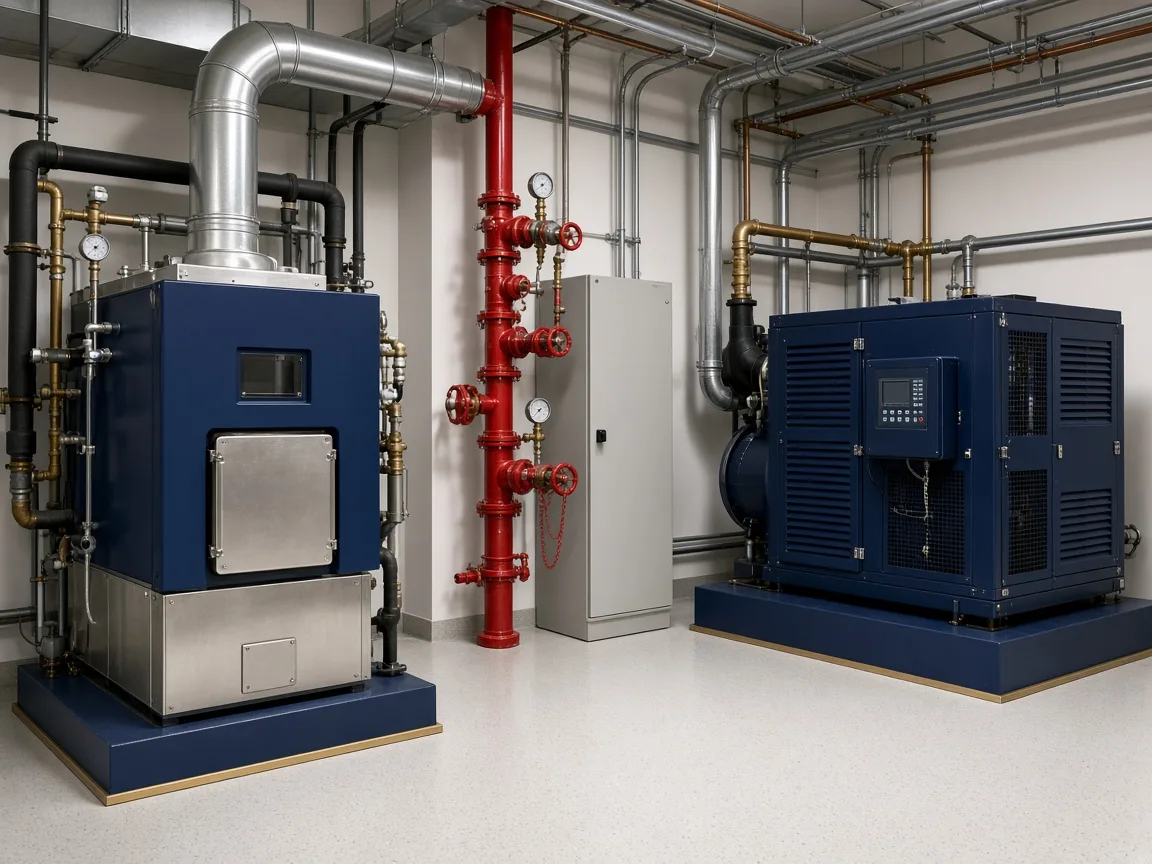
Match the loan documents
Owners and lenders set many property requirements, so the program should match the loan documents and the management agreement.
- See REIT and investor insurance
- New buildings move from builder’s risk to permanent property
- Catastrophe deductibles read before the storm, not after
Get priced on your own buildings
A complete property file is how an operator gets priced on its own buildings.
Valuation decides the claim.
- Item 1 of 5
Statement of values
Current replacement cost per building, with a recent appraisal or method.
- Item 2 of 5
Construction and updates
Type, year built, and roof, electrical, plumbing and HVAC updates.
- Item 3 of 5
Life safety
Sprinklers and fire alarms, with inspection records.
- Item 4 of 5
Water and freeze controls
Leak detection, freeze prevention and maintenance.
- Item 5 of 5
Emergency and loss history
Evacuation, generators, relocation plans and prior losses. See what underwriters look for.
“Scott is as professional as they come. I truly sleep better at night knowing he has our back and is proactively managing our needs.”
Property cover valued and written for senior living buildings
This page is for owners and operators whose buildings are home to people who cannot leave quickly. A loss is not only a repair bill. It can mean relocating residents, losing census and running a community through reconstruction.
What underwriters ask
- Are building values current, and when were they last appraised?
- What are the age and condition of the roof, electrical, plumbing and fire protection systems?
- How are freeze, water and wind risks managed across the portfolio?
- How would residents be relocated, and what would that cost each month?
Gaps we often find
- Values set years ago, so a coinsurance penalty reduces a large claim.
- Wind, hail or water deductibles that are much larger than the operator expects.
- Business income limits that do not reflect lease up time or the cost of moving residents.
- Ordinance or law cover that is missing or too small to bring an older building up to code after a loss.
What to bring to the consultation
- Your statement of values and current property policy.
- Any recent appraisals, roof reports or engineering surveys.
- Loss runs for property and business income.
Frequently asked questions
What is senior living property insurance?
It is commercial property insurance for a senior living community. It covers buildings, contents and equipment after a covered loss and replaces lost income and extra expense while the community recovers.
What is a coinsurance penalty?
Many property policies require a building to be insured for at least a stated share of its replacement cost. If the limit falls short, the carrier pays only part of a loss, even a small one, and the operator absorbs the rest.
Does business income insurance cover resident relocation?
Business income and extra expense coverage can pay for the added cost of relocating residents and continuing care, along with lost revenue, while the building is repaired. The terms and limits should be confirmed in advance.
Does property insurance cover flood or earthquake?
Standard property policies often exclude flood and earthquake or limit them heavily. Senior living operators in exposed areas usually need separate coverage or specific endorsements.
What is ordinance or law coverage?
It pays the added cost of rebuilding to current building codes after a loss, such as new sprinkler or accessibility requirements. Older senior living buildings are the most likely to need it.
How often should a senior living community update its property values?
Values should be reviewed at every renewal and supported by a professional appraisal or a credible valuation method on a regular cycle, because construction costs change and underinsurance can trigger a coinsurance penalty.
Review your values, deductibles and business income terms
One operator turned a 38% renewal increase into 9%. That is the result in The Renewal That Started at +38%, not a promise about any other account.
Or write to scott.reese@echoassurance.com